
Telesales & In-store
UX Research I Low-Fidelity wireframes I High-Fidelity wireframes I
The Context
Empower sales agents and merchants to create loans in-store or over the phone in Australia, New Zealand and the UK.
The Problem
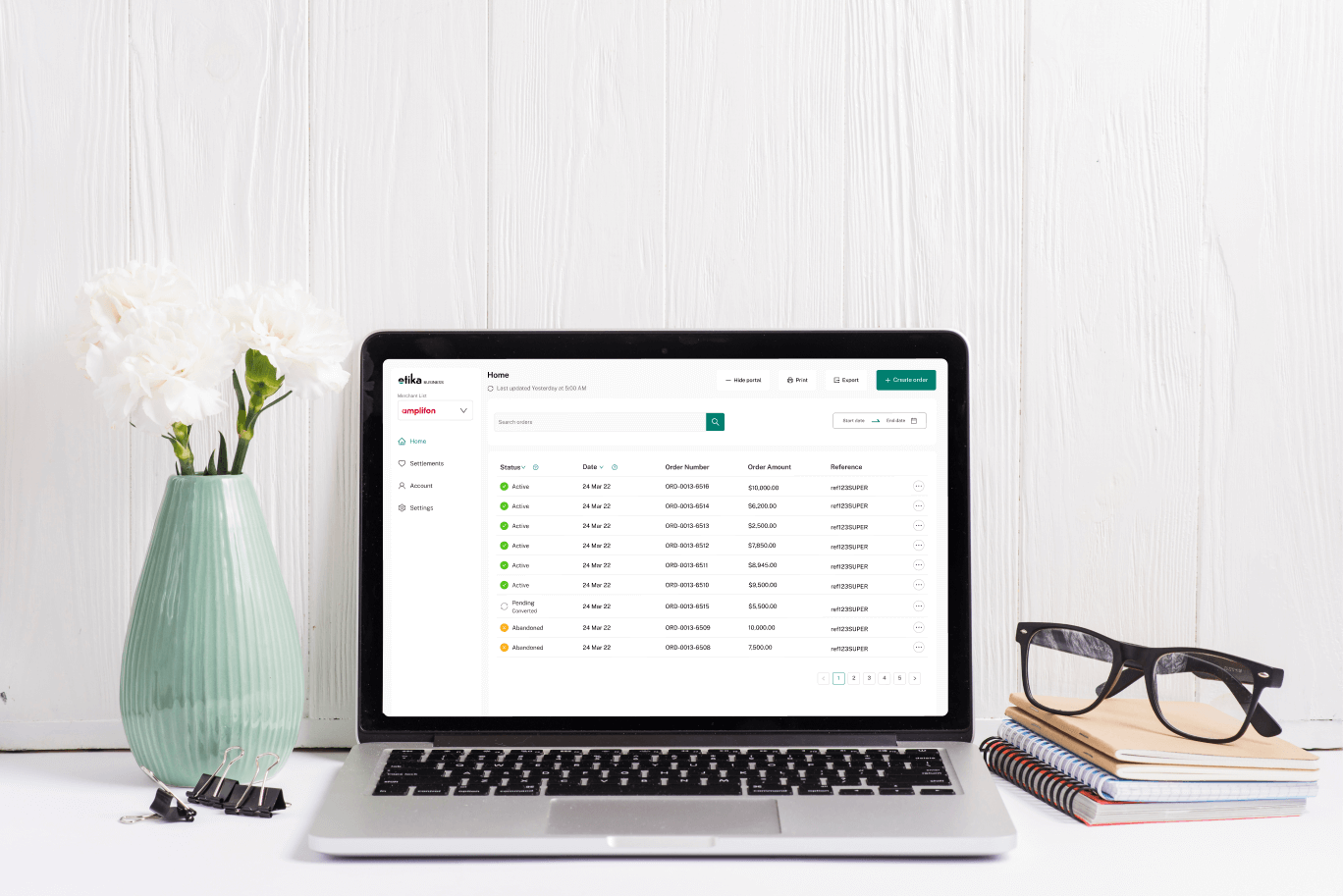
etika had a rigid legacy platform to allow merchants to process orders in-store or over the phone; it wasn’t flexible or scalable.
Research was conducted to understand how etika’s merchants process their loans. The research showed that 70% of the orders are processed over the phone or in person.
About
etika is a “fair finance” FinTech that partners with retailers to give customers a higher borrowing budget before they shop.
Approach
- Interviews with merchants to understand, goals, needs, pain points and desires.
- Interviews with customers recruited via Askable to understand how they apply for finance when they buy over items that are over $2,000.
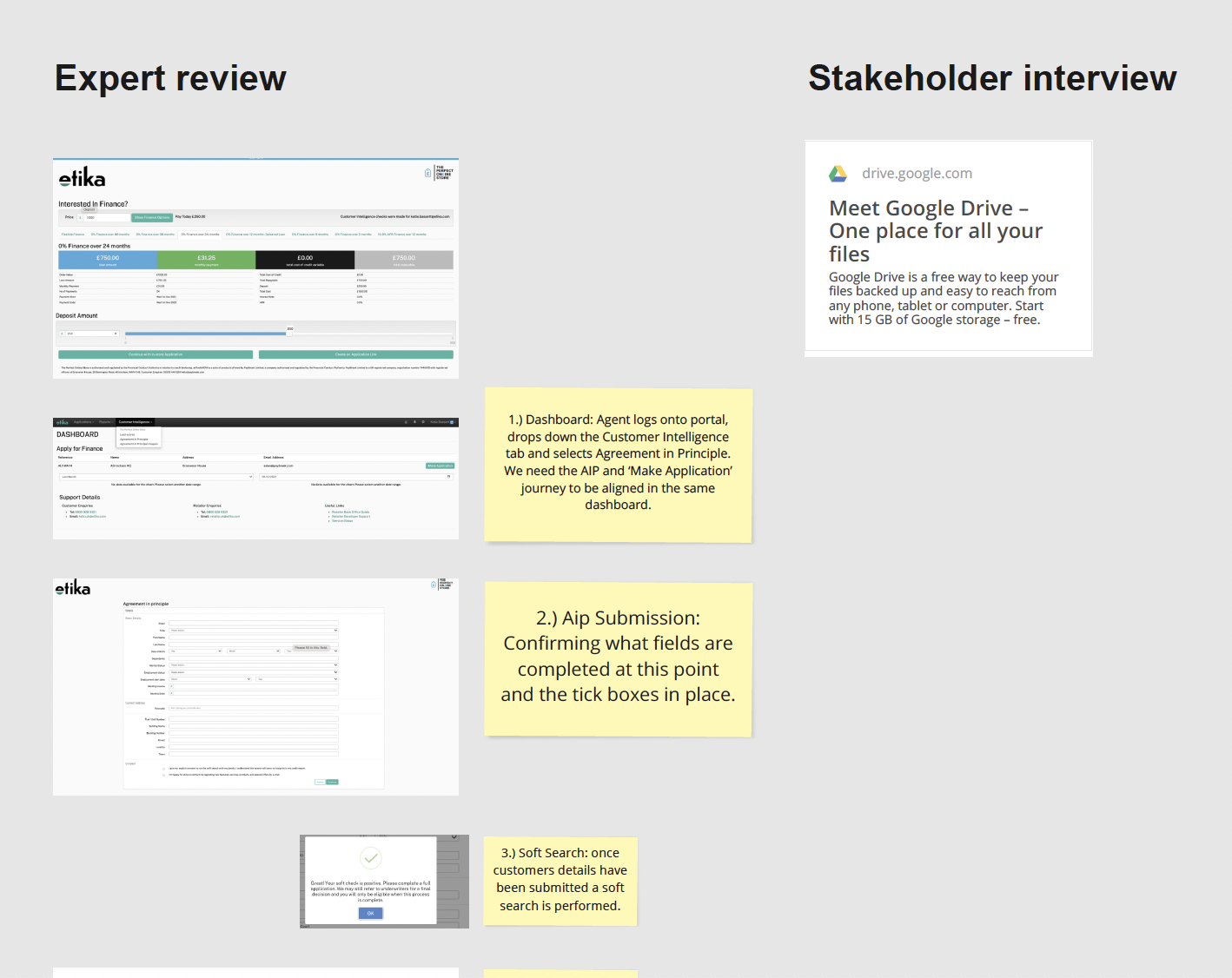
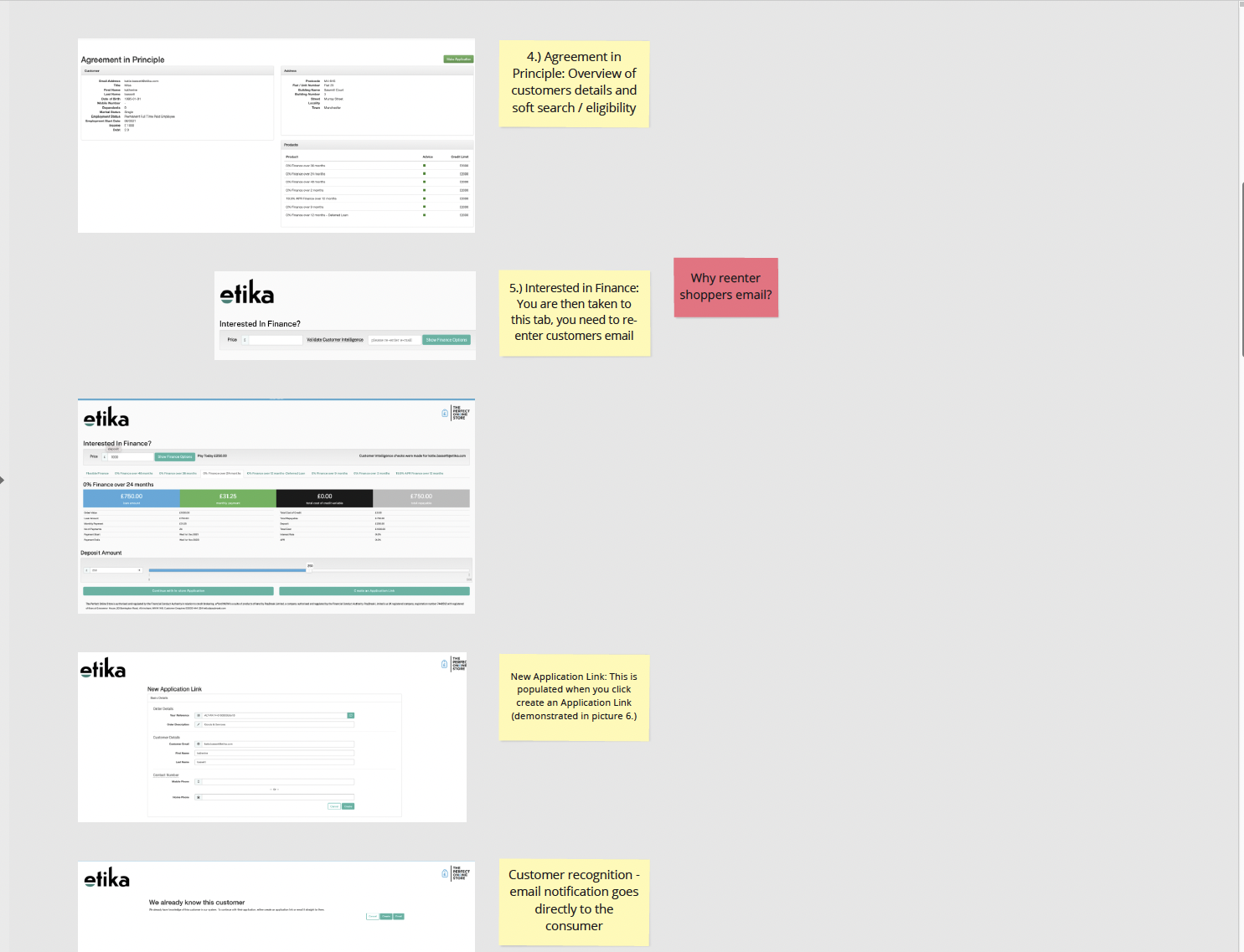
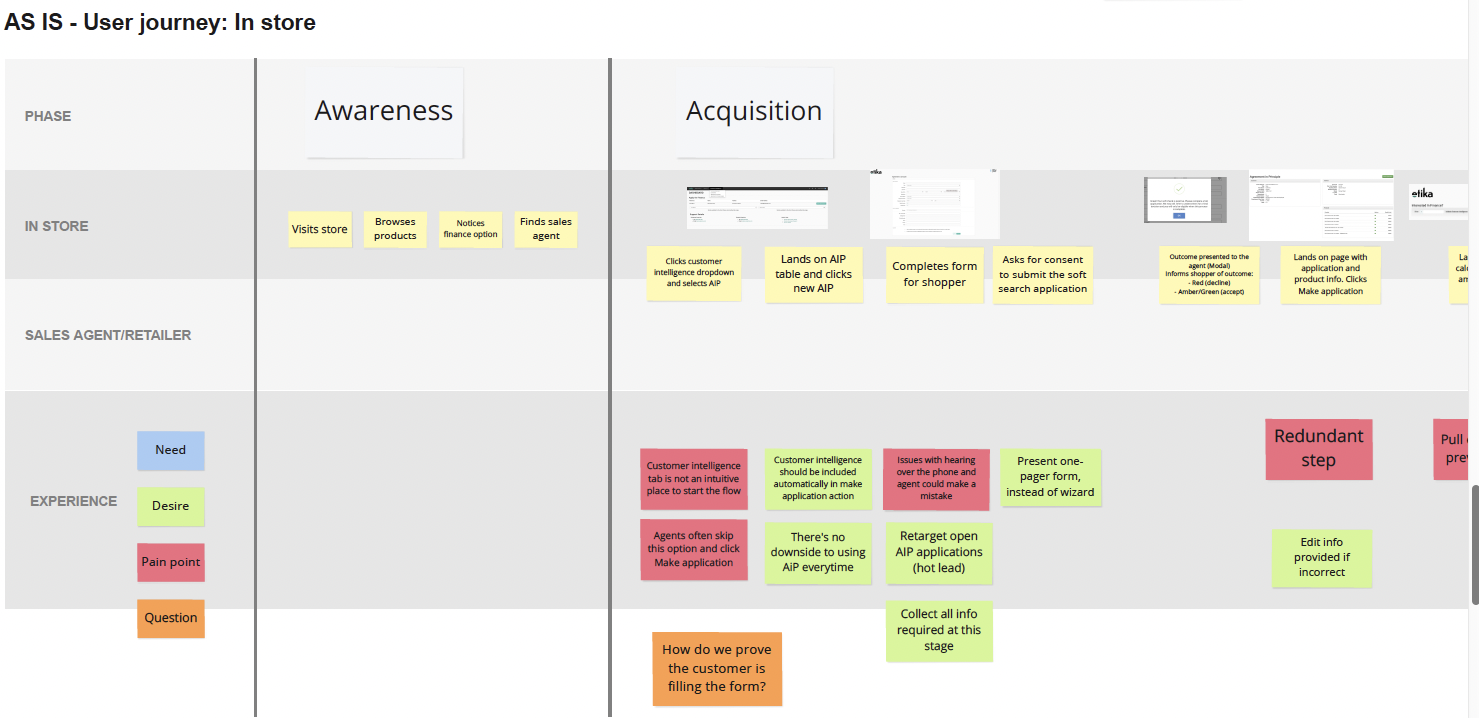
- Audit the legacy platform.
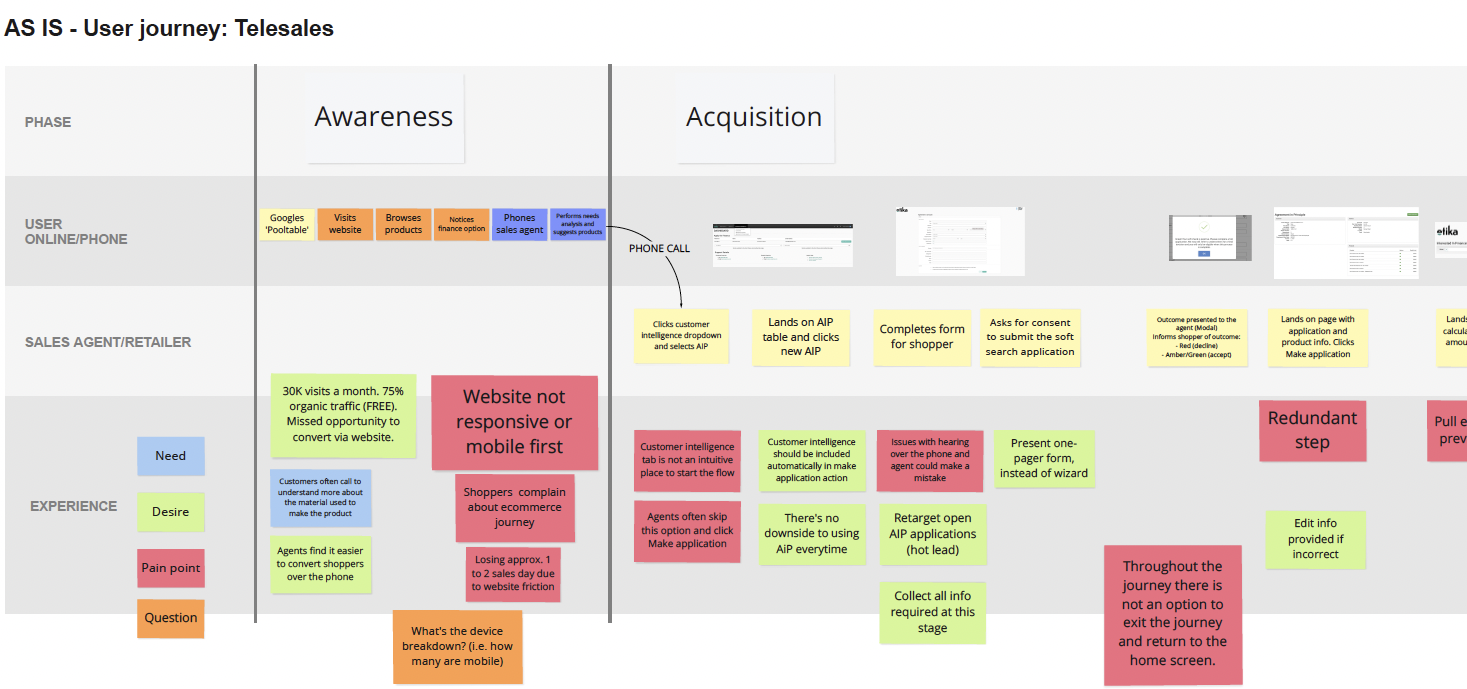
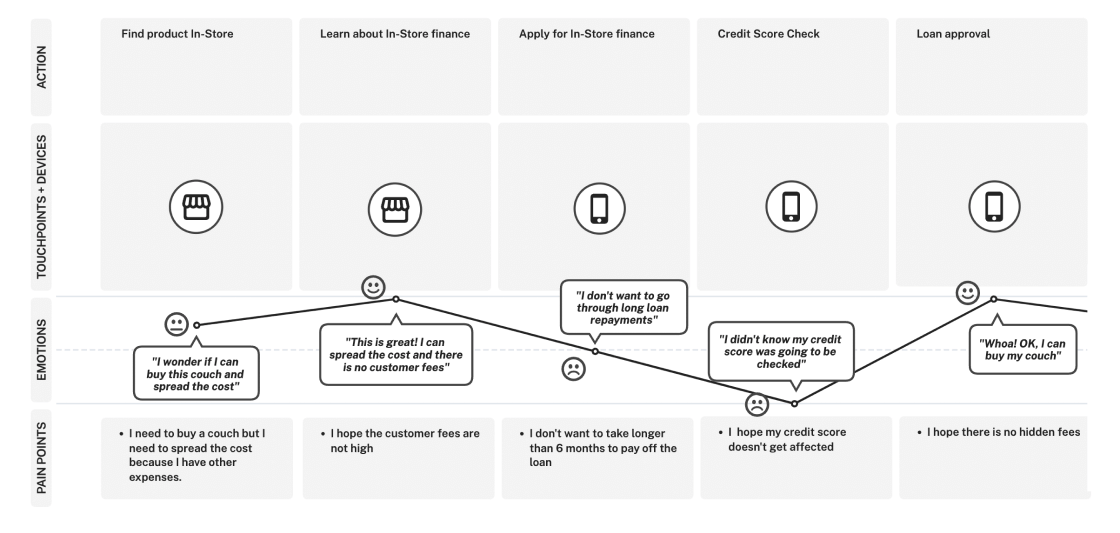
- Experience maps.
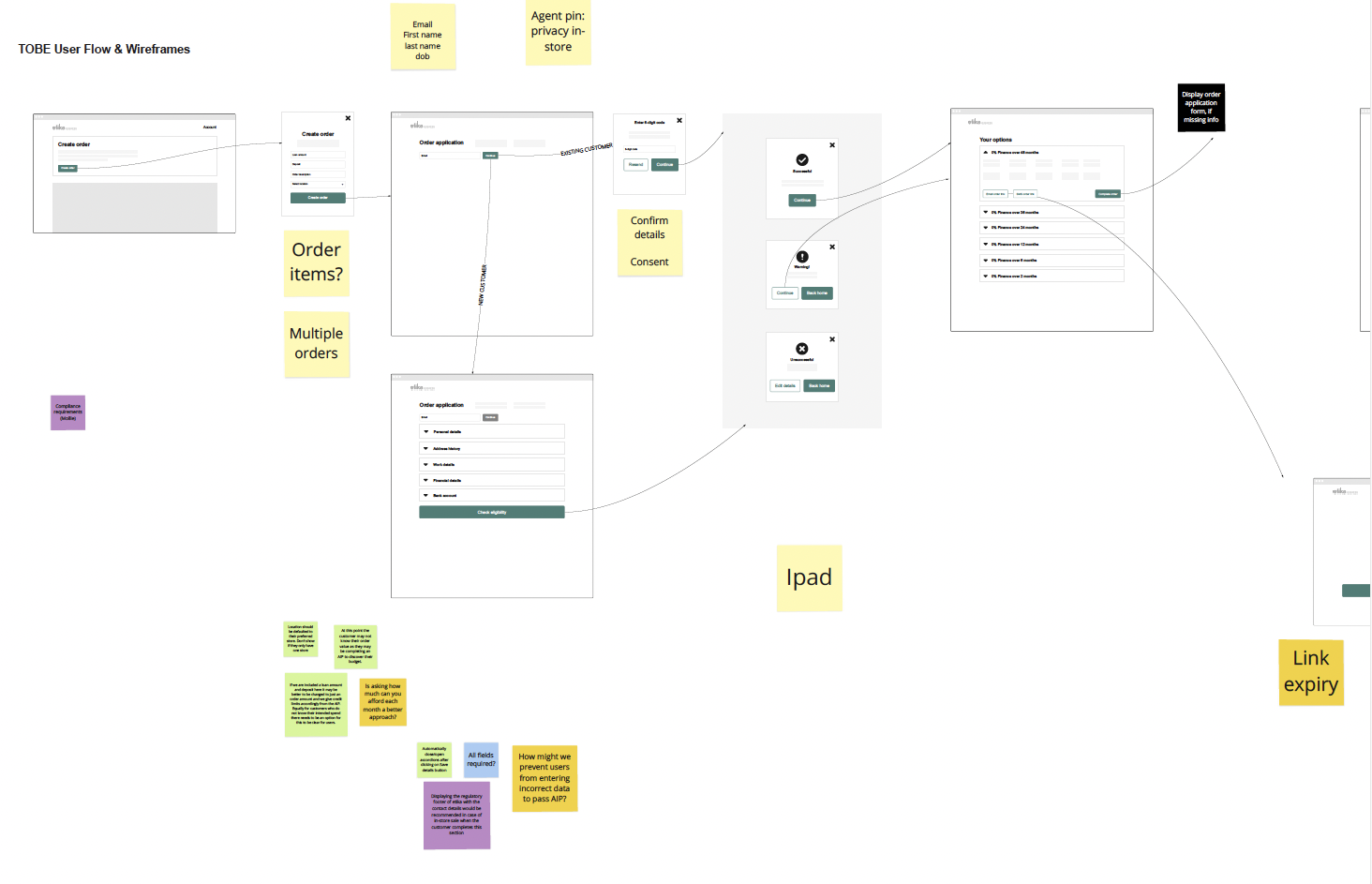
- Low fidelity wireframes, and user flows creation, which helped key stakeholders provide feedback as the project progressed.
- Usability testing exercise with merchants.
My Role
I worked in collaboration with the Senior UX Designer, in the discovery and delivery process. The key stakeholders, such as Business Analyst, Head of Engineer, and Sales Representative where involved in the process from the beginning.
Legacy platform audit
Experience map
Low Fidelity Wireframes
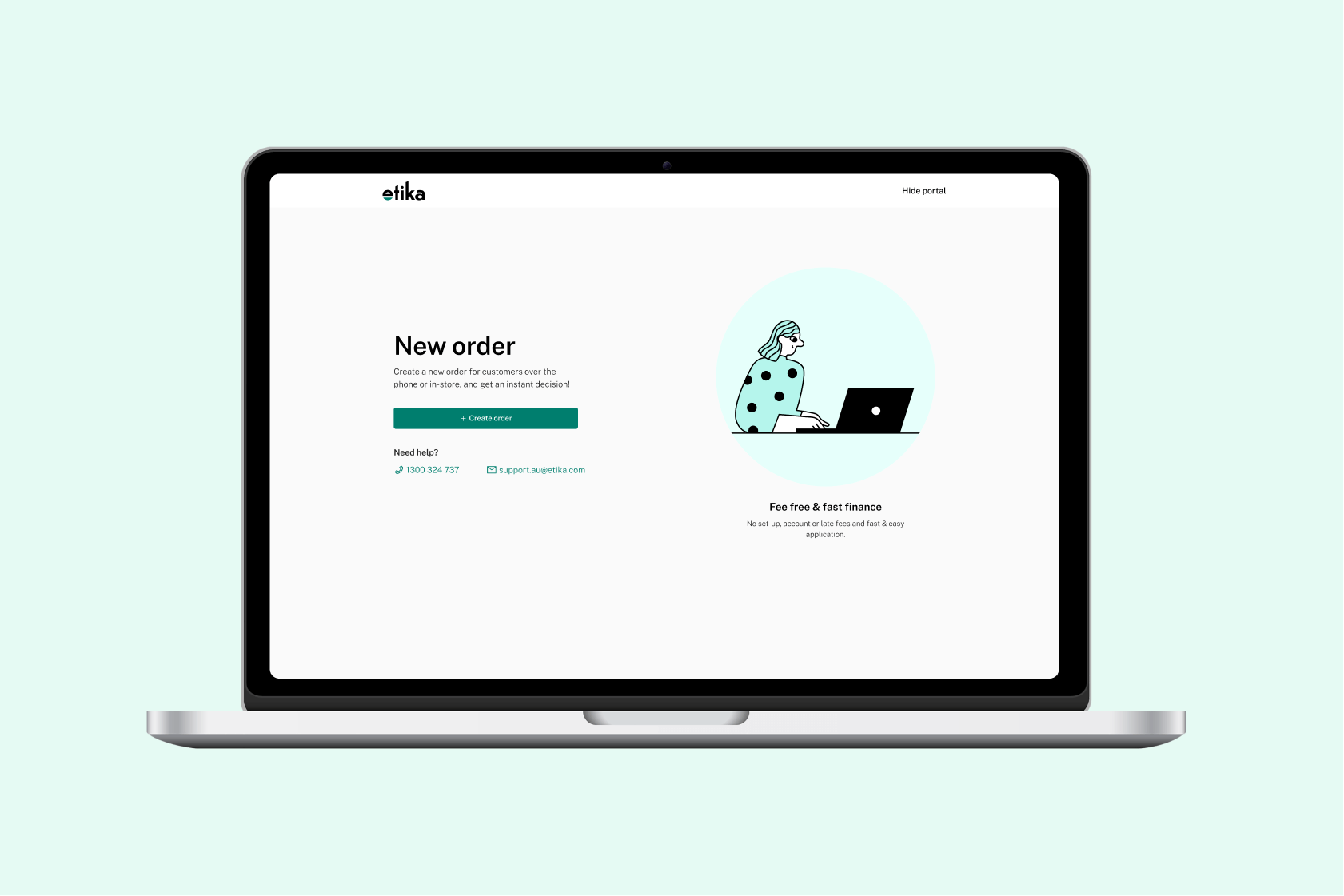
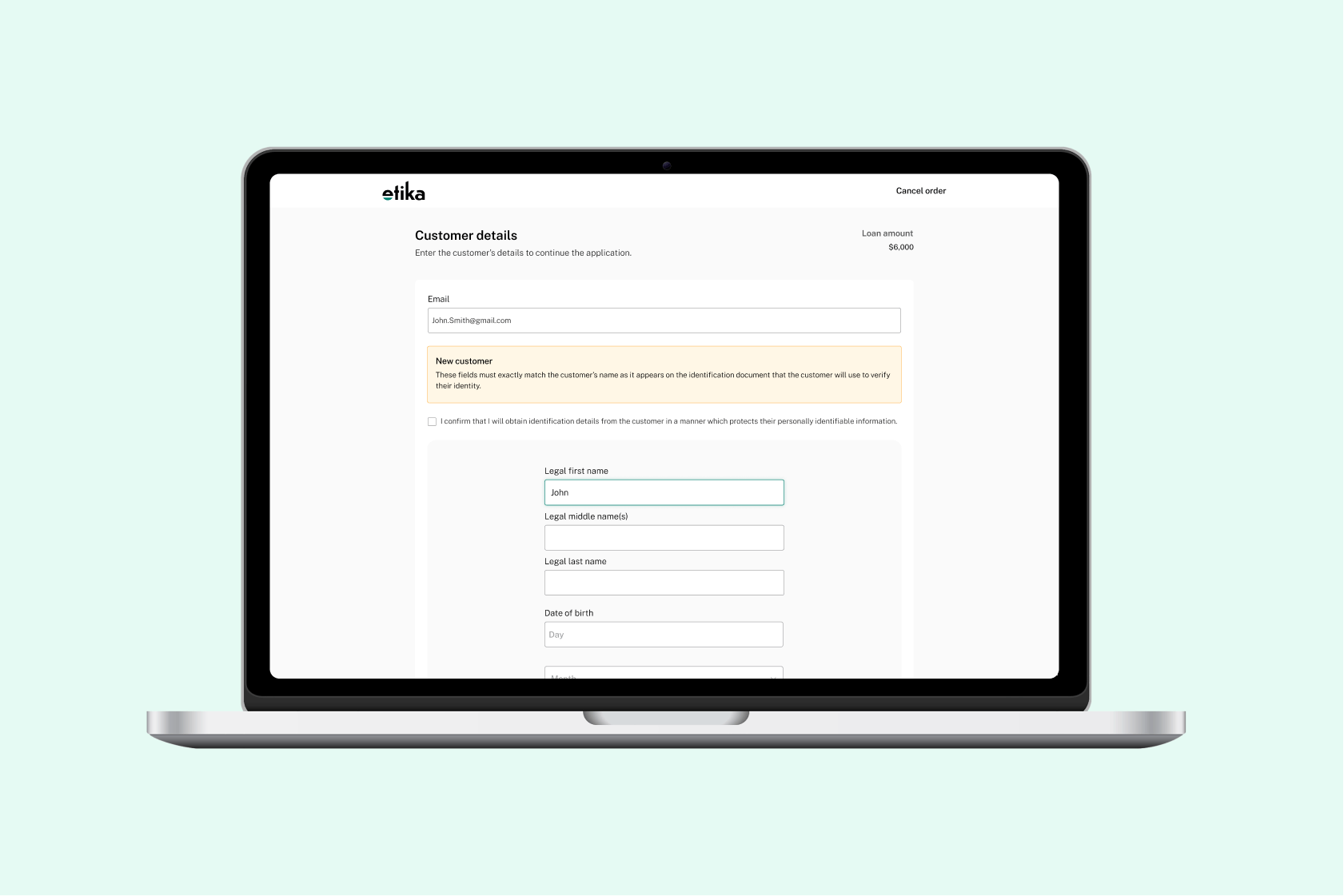
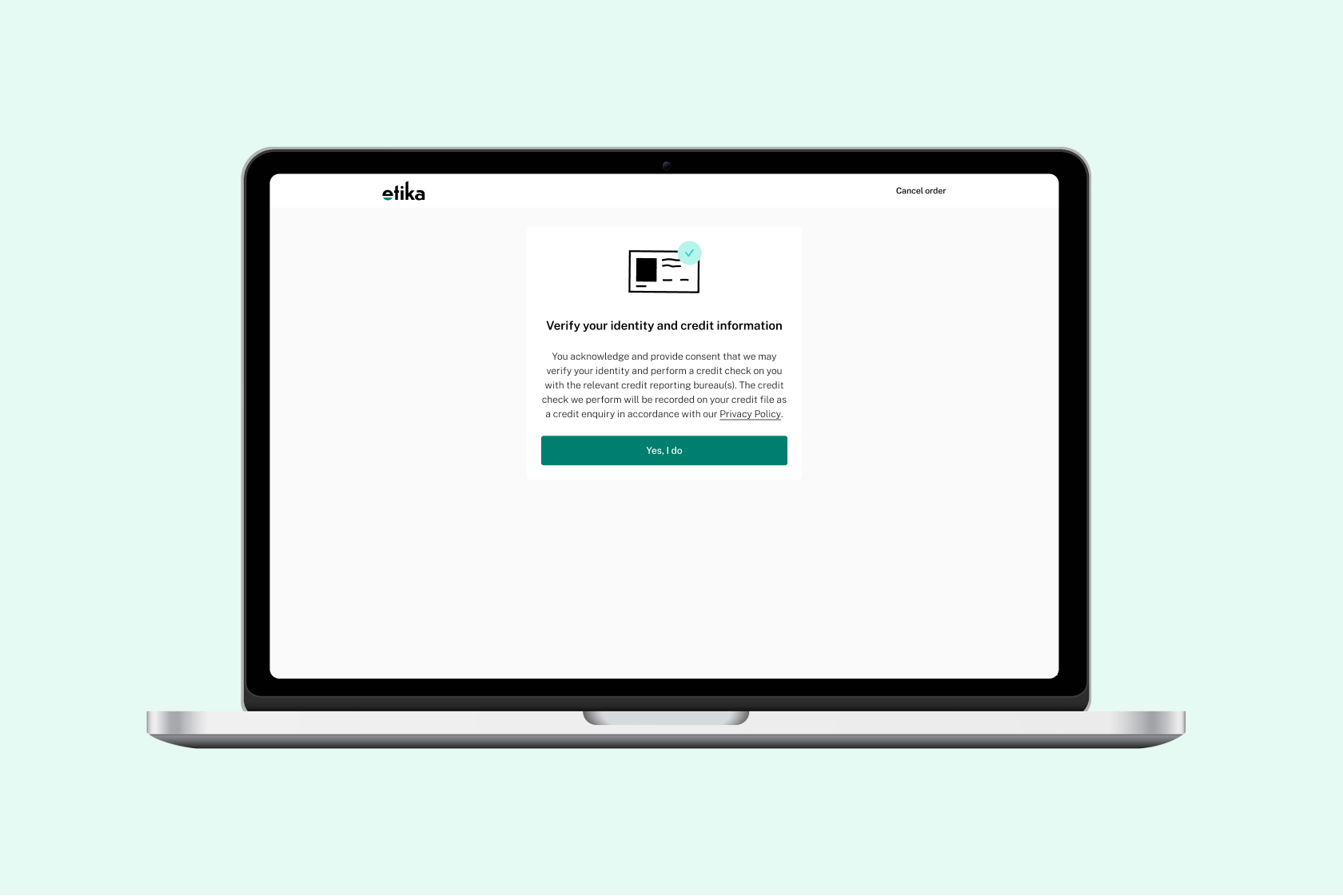
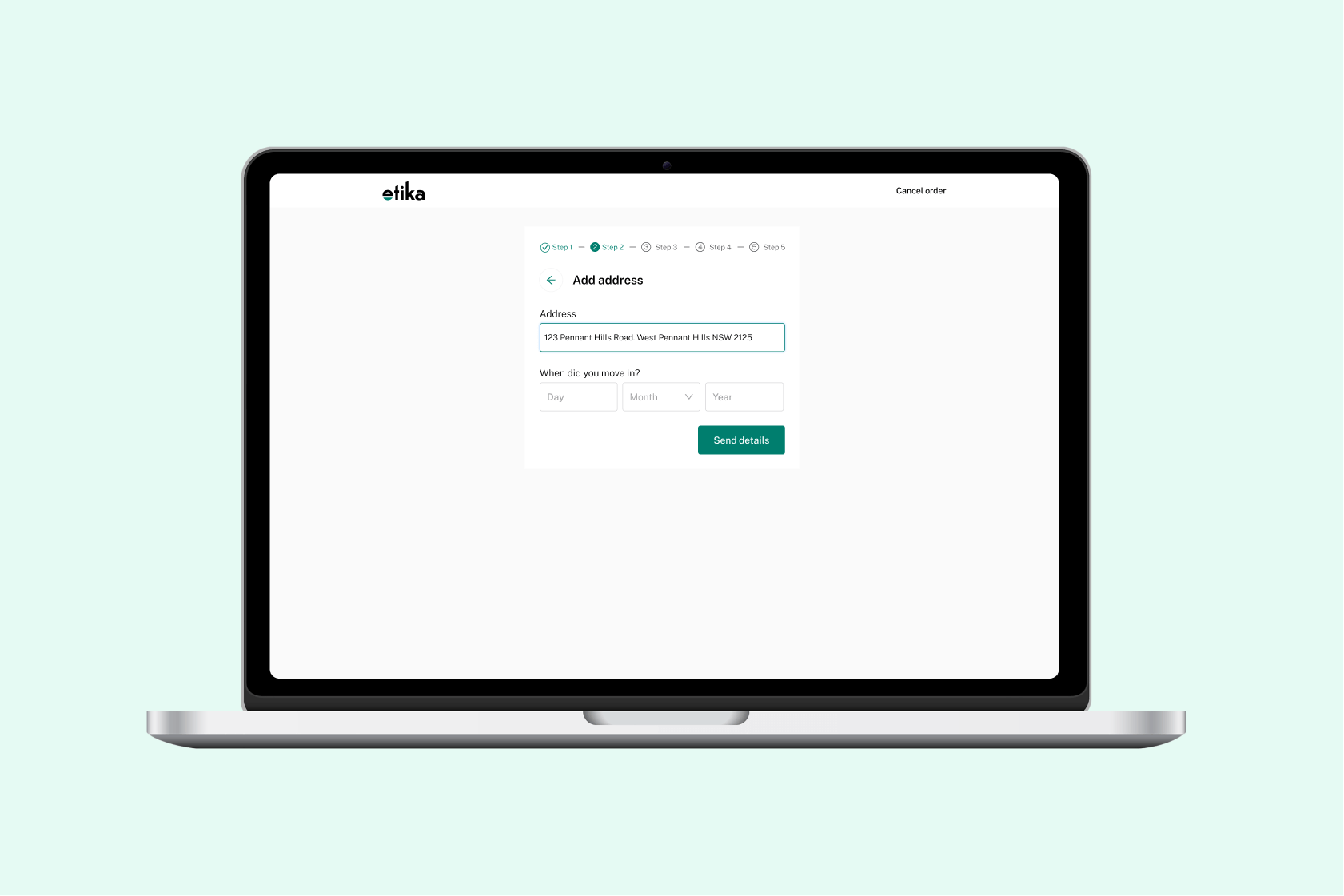
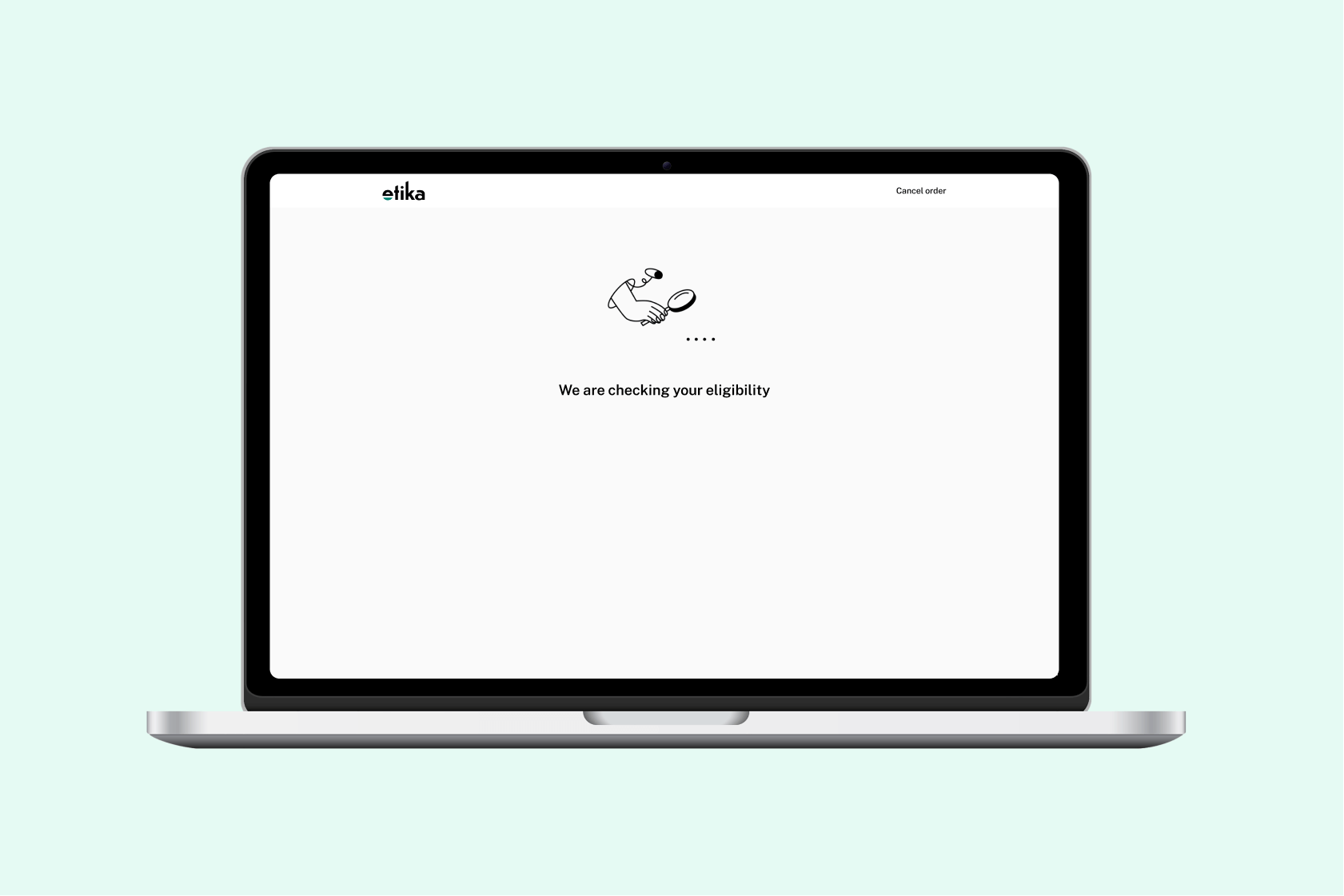
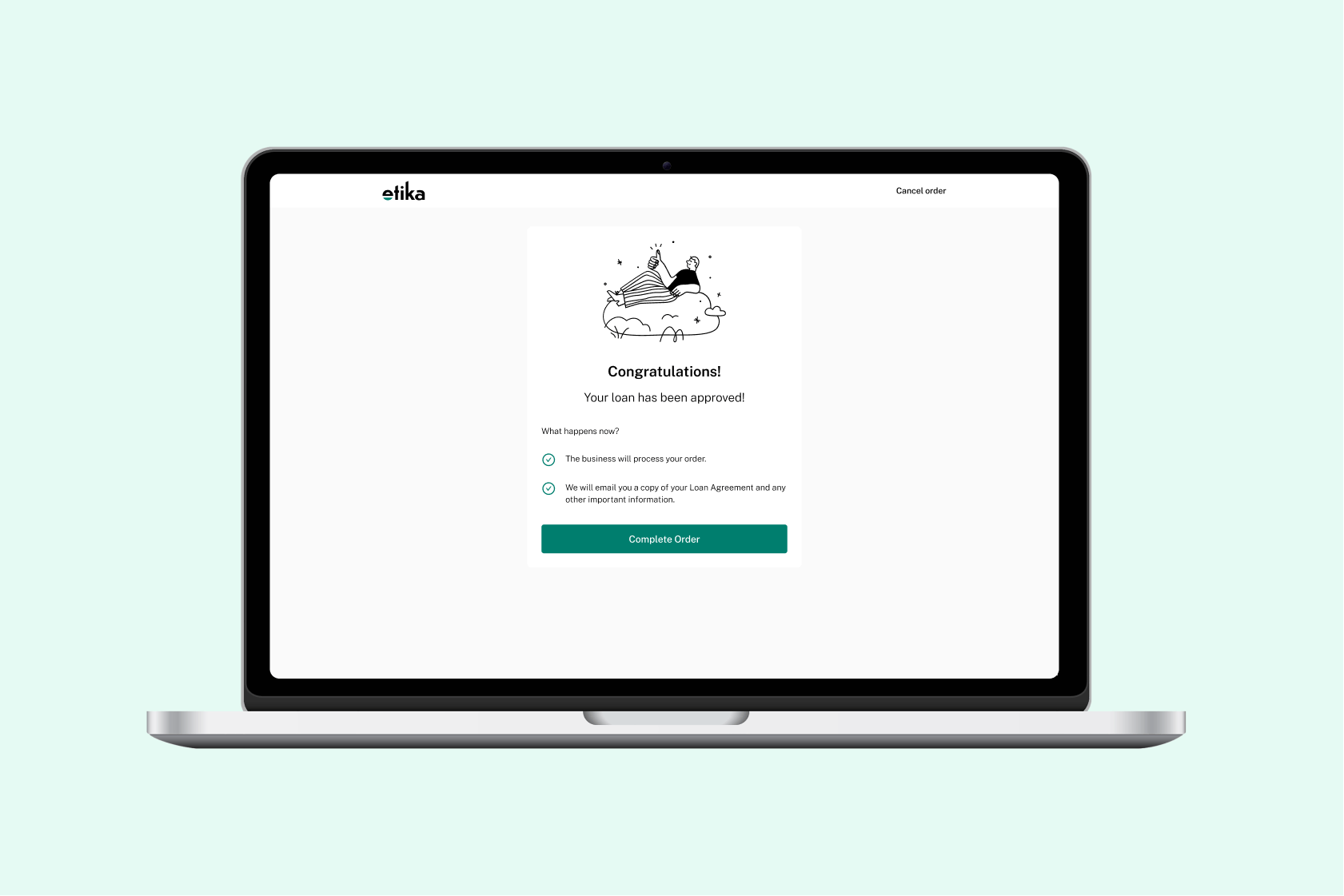
High-Fidelity wireframes
Usability testing
Usability testing was conducted with five merchants. They were asked to perform five tasks using a non-leading language to test the usability of the product.
Outcomes
The product brought new merchant on board, specially in Australia and New Zealand which allowed us to expand the product and make it accessible for everyone.